An English subtitle may use a character’s name while the Korean dialogue uses a relationship word. Recognizing that word gives you another clue: who feels close, who has more experience, and how a conversation is being framed.
Start with these eleven terms. Learn the basic meaning, then ask who is speaking to whom. A word alone cannot settle whether a scene is affectionate, formal, teasing, or confrontational.
Oppa, Hyeong, Eonni, and Nuna: More Than Family Labels
These four words distinguish older siblings partly through the speaker’s gender. The National Institute of Korean Language’s dictionary also records affectionate uses for older people outside the family.
| Term | Family meaning | Conventional speaker |
|---|---|---|
| Oppa (오빠) | Older brother | A woman or girl |
| Hyeong (형) | Older brother | A man or boy |
| Eonni (언니) | Older sister | A woman or girl |
| Nuna (누나) | Older sister | A man or boy |
See the dictionary’s oppa definitions, hyeong, eonni, and nuna entries.
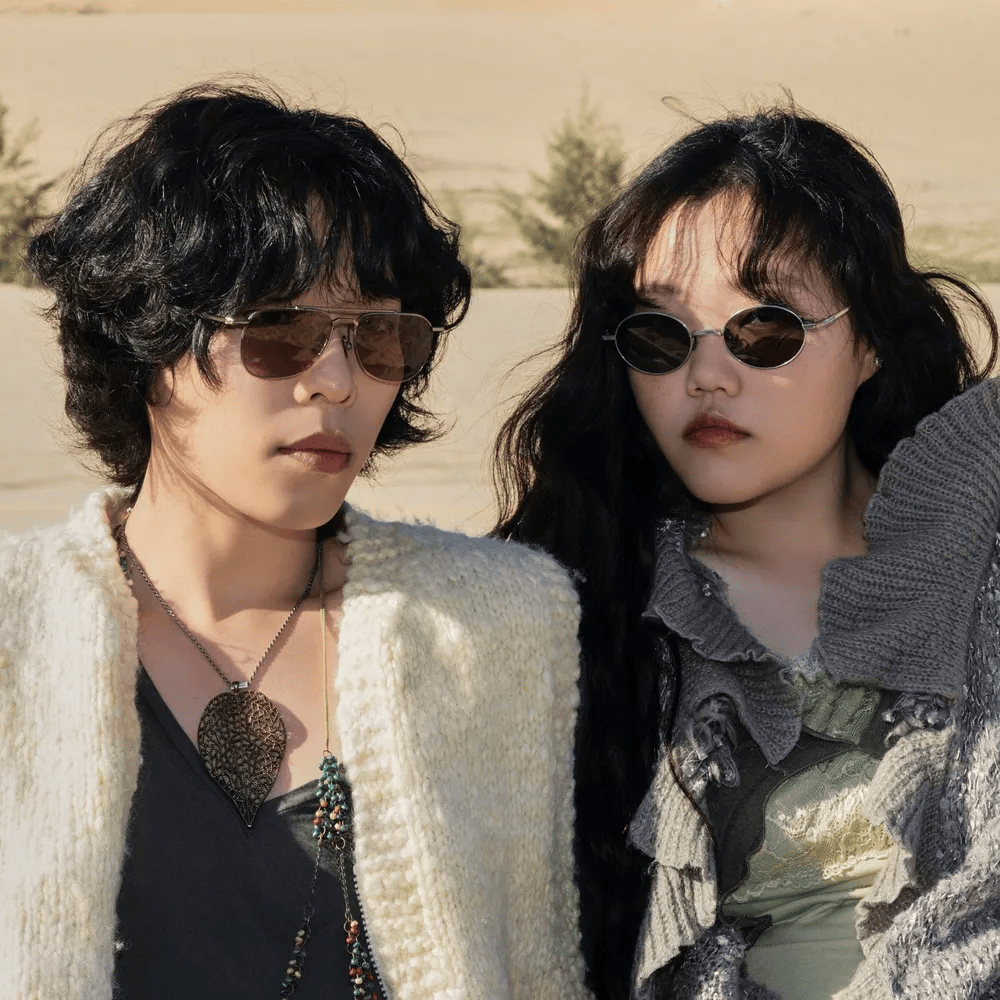
Oppa does not simply mean “boyfriend.” Family and affectionate nonfamily uses belong to its meaning. A romance may make the word emotionally significant, but you still need the relationship and delivery to interpret it.
Likewise, hearing eonni does not prove that two women are sisters. For your next scene, identify whether the characters are relatives, acquaintances, or close friends before deciding what the address conveys. These conventional patterns are useful listening guides; individual preferences still matter.

Sunbae and Hubae: Experience in a Shared Setting
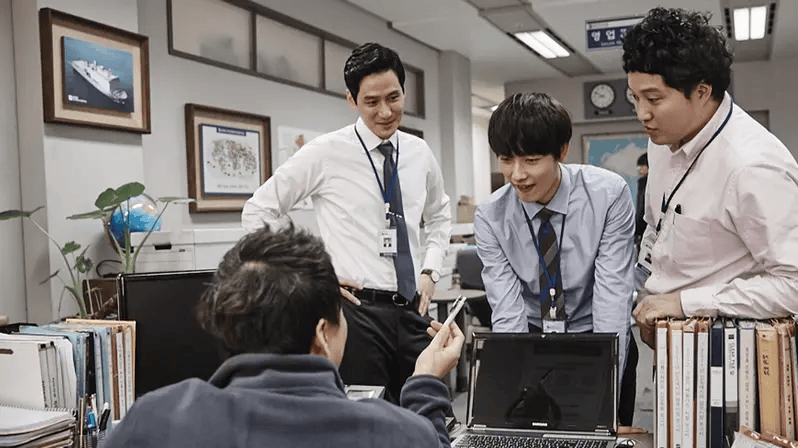
Sunbae (선배) refers to someone who began earlier in the same field or entered the same school earlier. Hubae (후배) describes the later entrant. Sunbae, hubae.
Think about the relevant group: a school, club, workplace, or professional field. Translating these as “senior” and “junior” can help, but neither label automatically tells you a person’s age or managerial title. An earlier school entrant and a workplace supervisor describe different relationships.
Watch how the story uses that difference. Is someone offering advice, seeking recognition, or asserting authority? The label helps identify a relationship; it cannot tell you whether the people involved are considerate.
Jondaetmal and Banmal: Respectful and Casual Speech
Jondaetmal (존댓말) describes respectful language. Banmal (반말) can refer to informal speech between close people, but the dictionary also records speech that talks down to someone. Jondaetmal, banmal.
That distinction matters when characters change their way of speaking. A shift might invite a reading of greater closeness, or it might help create tension. Check the response: does the other person welcome it, object, or become uncomfortable?
Avoid turning “casual” into an automatic synonym for “rude.” Equally, a casual exchange is not proof of romance. Treat the change as a question about the relationship and situation, rather than a shortcut to the plot.
Aigo and Daebak: Follow the Emotion
Aigo (아이고) has several dictionary senses: pain or tiredness, surprise, joy, discouragement, and grief. Its delivery and surrounding events matter more than a single English equivalent. Aigo entry.
Listen for whether a character is sighing, greeting someone warmly, or reacting to bad news. The same written word can accompany very different feelings.
Daebak (대박) refers to a major success or big achievement. When you hear it around exciting news, ask what is being celebrated or described as successful. Do not rely on an enthusiastic subtitle alone to learn its full meaning. Daebak entry.
Paiting: A Cheer, Not a Request to Argue
Paiting (파이팅), borrowed from English “fighting,” functions as encouragement. The institute’s dictionary guidance describes cheering in sports, and its language-refinement list offers an encouraging Korean alternative. Spelling and meaning, Refinement list.
You may encounter the spelling 화이팅 and the Roman-letter rendering “hwaiting.” The institute identifies 파이팅 as the standard Korean spelling. Match the Hangul when checking a reference.
Build a Context Notebook
Record four things: the word, speaker, listener, and situation. Compare another occurrence before treating the expression as something to use yourself. A glossary helps you notice patterns; a structured lesson can explain the grammar behind them.
For viewing, check your country’s licensed catalog and available audio or subtitles. Netflix notes that catalogs and language options vary. Catalog guidance, Language guidance.
Sources checked October 9, 2026.
FAQ
Does oppa mean boyfriend?
No. The dictionary includes an older brother addressed by a female speaker and an affectionate address for an older male outside the family. A romantic reading depends on the scene, not the word alone. Oppa entry.
Is banmal always rude?
No. The dictionary distinguishes informal speech between close people from speech that talks down to someone. Consider the relationship, setting, and listener’s response. Do not assume that dropping respectful forms will make an interaction friendlier. Banmal entry.
Is a sunbae always older or the boss?
The defining relationship is earlier participation in the same field or earlier admission to the same school. Age and a managerial role are separate facts. Check the particular group the characters share. Sunbae entry.
Why does “fighting” sound encouraging in Korean?
The borrowed expression functions as a cheer. The National Institute of Korean Language describes sports encouragement and identifies 파이팅 as the standard spelling, rather than 화이팅. Its use as encouragement differs from treating the English word as an instruction to argue. Institute guidance.
How can I check pronunciation instead of guessing from Roman letters?
The official dictionary entries provide pronunciation information and audio controls. Use the Hangul spelling to identify the word, then listen to the available recording. Compare it with the dialogue’s delivery without assuming that the actors’ emotional tone is the default way to use it. Eonni entry.



Leave a Reply