Korean Bathhouse Culture in K-Dramas: Jjimjilbang Explained
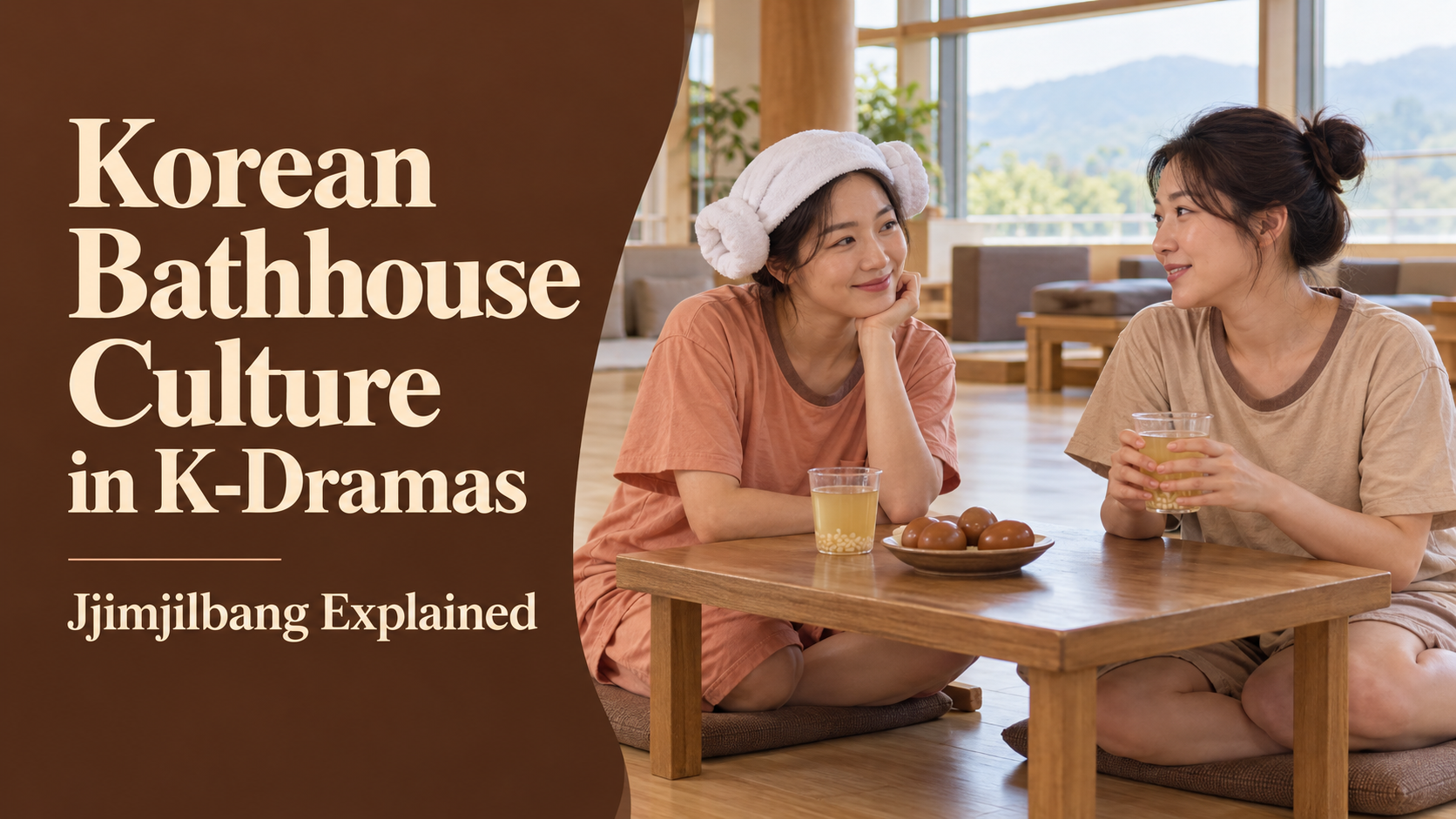
Matching T-shirts, a towel rolled into two little “horns,” and a plate of eggs can tell a K-drama viewer where the characters have landed before anyone explains it. They are recognizable details of the jjimjilbang (찜질방), a Korean bathhouse and leisure complex.
The setting offers more than an amusing costume change. It can bring rest, food, conversation, and personal routines into one place. Understanding which part of the facility you are seeing makes these scenes easier to read—and a real visit less confusing.

Two kinds of space, two sets of expectations
Think of a jjimjilbang as several connected spaces rather than one giant steam room. Visit Seoul’s explanation of “bang” culture describes bathing areas separated by sex, alongside shared resting spaces where families can spend time together. Facilities may also include heated rooms and places to eat.
The clothing distinction matters. Traditional communal bathing areas generally involve undressing, while shared dry areas use spa clothing, often a shirt and shorts. A 2014 firsthand column published by Korea.net describes showering before soaking and putting on the provided uniform afterward. This is a documented example, not a current inventory of every facility.
So a mixed group chatting in matching outfits is not evidence of mixed nude bathing. Conversely, do not assume a swimsuit belongs in a traditional bath. Follow the specific venue’s instructions; resort pools can have different rules from its bathhouse or dry lounge.
Why this setting works for a story
When a series moves characters from offices or formal meetings into a lounge, consider what changes visually. Everyday work clothes give way to similar outfits. People can sit at the same level, pause over a snack, or share an unhurried conversation. These are useful storytelling possibilities, not proof that social differences disappear.
Ask who seems comfortable and who needs guidance. A familiar routine can suggest closeness; uncertainty can create awkwardness or comedy. The interesting detail may be someone explaining a locker or offering food, rather than a dramatic confession.
Notice the difference between sharing space and having privacy. Two characters may speak intimately while other visitors remain nearby. That tension can make a conversation feel exposed even in a relaxed setting. Read the camera’s framing as a narrative choice, rather than assuming a real lounge would provide the same quiet corner.
Real visitors have different comfort levels, habits, and reasons for going. Some may enjoy a group outing; others may prefer quiet time or choose another activity entirely. No single scene tells you how often Koreans visit.
Why the eggs, rice drink, and towel are recognizable
The Korea Tourism Organization’s jjimjilbang feature identifies roasted eggs, sikhye (식혜)—a sweet rice drink—and a towel wrapped like ram’s horns as familiar Korean-media imagery.
These details give a scene texture without much explanation. A drink can create a pause in conversation; peeling an egg gives characters something ordinary to do while they talk. The towel adds a playful visual cue.
For a visitor, they are options, not a participation test. You do not need a particular snack or towel fold to belong in the lounge. Menus, supplies, and facilities differ, so check what is actually offered.

Your visit needs a little planning
Start with the operator’s current guide. For example, CIMER’s published usage instructions distinguish swimsuit areas from the jjimjil-clothing zone and describe shoe lockers, a shower, and settling purchases charged to a locker key. Those instructions belong to that operator; another bathhouse may handle admission and payment differently.
Before paying, confirm:
- Which areas your ticket includes and which clothing each requires.
- Whether clothing, towels, food, or optional services cost extra.
- The permitted visit length, closing time, and any overnight arrangements.
If your main interest is chatting and trying a snack, ask which ticket and areas suit that plan. If communal bathing does not appeal to you, check whether the venue offers an arrangement you are comfortable using before you book.
Keep the key handy and ask staff about anything unclear. Treat changing and bathing spaces as private: leave cameras away, and ask before photographing shared areas or other people. Respect quiet resting spaces and keep walkways clear.
A jjimjilbang scene becomes more interesting when you recognize the practical details behind the atmosphere. Enjoy the warmth of the storytelling, while letting the actual venue—and your own preferences—shape your visit.

FAQ
Is a jjimjilbang just a sauna?
It can combine bathing facilities with heated rooms, resting spaces, and food areas. The mix differs by venue, so look at its layout and admission guide rather than assuming every facility offers the same experience.
Do I need to undress?
Traditional communal baths generally involve undressing, while shared dry lounges use spa clothing. Resort swimming areas can require swimsuits. Ask the operator about the exact areas included and their dress rules before booking.
Can I go just to relax with friends?
Check whether the venue’s ticket and access arrangements suit that plan. Shared clothed lounges can provide space to spend time together, but access conditions differ. You do not need to copy every activity shown on television.
Are eggs, sikhye, and the sheep-head towel compulsory?
No. These are familiar media details, not conditions for participation. Choose what interests you and check the actual menu and supplies.
Can I stay overnight or assume extras are included?
Confirm both points directly. Overnight arrangements, visit limits, clothing charges, and optional purchases vary. Keep track of any services charged to your locker key and ask staff how checkout works.
Leave a Reply