Jongno Seoul Guide: Palaces, Bukchon & Things to Do
Jongno is where a Seoul sightseeing plan can become wonderfully ambitious: royal palaces, hanok lanes, tea shops, and centuries of history all compete for your afternoon. This Jongno Seoul guide explains the main sights, useful subway stations, and the booking and visiting rules that can change your day.
For a first visit, choose one palace, add Bukchon or Insadong, and finish with a meal in Ikseon-dong. Allow a full day with breaks. If you want both major palaces and Jongmyo, spread them across two days.
What Kind of Neighborhood Is Jongno?
Jongno is part of Seoul’s historic center, where Joseon royal sites sit alongside offices, shops, and contemporary cafés. It is a broad district, not one compact attraction. This guide focuses on the palace-and-hanok area around Gyeongbokgung, Anguk, Insadong, and Jongno 3-ga. [1–8]
The cultural differences matter: a palace explains royal government and life; Jongmyo preserves ancestral ritual; Jogyesa is a working Buddhist temple. Bukchon is a residential neighborhood, while nearby Ikseon-dong offers a more commercial hanok café experience.
How to Get to Jongno by Subway
Choose the station nearest your first stop. Line 3 is particularly useful for the palace area, while Jongno 3-ga connects Lines 1, 3, and 5. [1][4][6–8]
| Station | Line | Useful starting point |
|---|---|---|
| Gyeongbokgung | 3 | Exit 5 for the palace approach |
| Gwanghwamun | 5 | Exit 2 for the approach toward Gyeongbokgung |
| Anguk | 3 | Bukchon and the surrounding palace-and-hanok area |
| Jonggak | 1 | Exit 2 for Jogyesa |
| Jongno 3-ga | 1, 3, 5 | Ikseon-dong; Exit 8 for Jongmyo |
Bukchon has sloping lanes, so wear comfortable shoes. Follow elevator signs when needed and leave time between a subway arrival and a booked tour.
1. Gyeongbokgung Palace: Start With Royal Seoul
Gyeongbokgung Palace on Google Maps
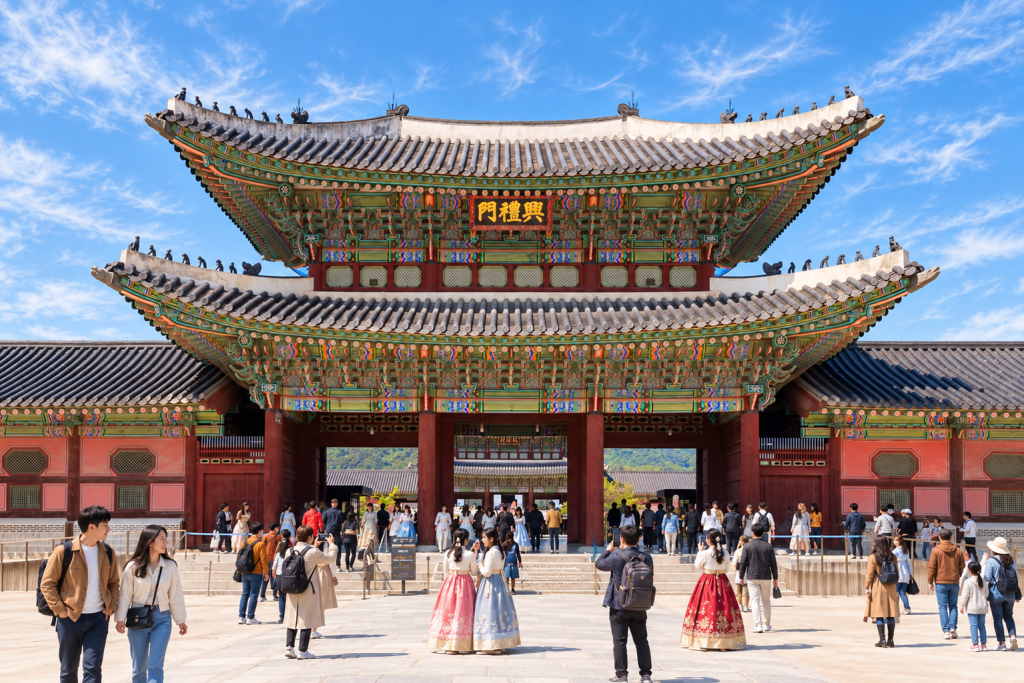
Founded in 1395, Gyeongbokgung was the principal palace of the Joseon dynasty. Its ceremonial courts and Geunjeongjeon throne hall introduce the scale of royal authority. Continue beyond the entrance area to the waterside pavilions: Gyeonghoeru and Hyangwonjeong provide a different rhythm from the formal courtyards. The complex has undergone extensive restoration; its founding date does not mean every building is original. [1][2]
Allow roughly two hours, longer for museums or a guided tour. The regular closing day is Tuesday, with public-holiday exceptions. Seasonal opening hours and last admission matter, so check the official palace information before setting out. [1]
2. Changdeokgung Palace: Architecture and Landscape
Changdeokgung Palace on Google Maps
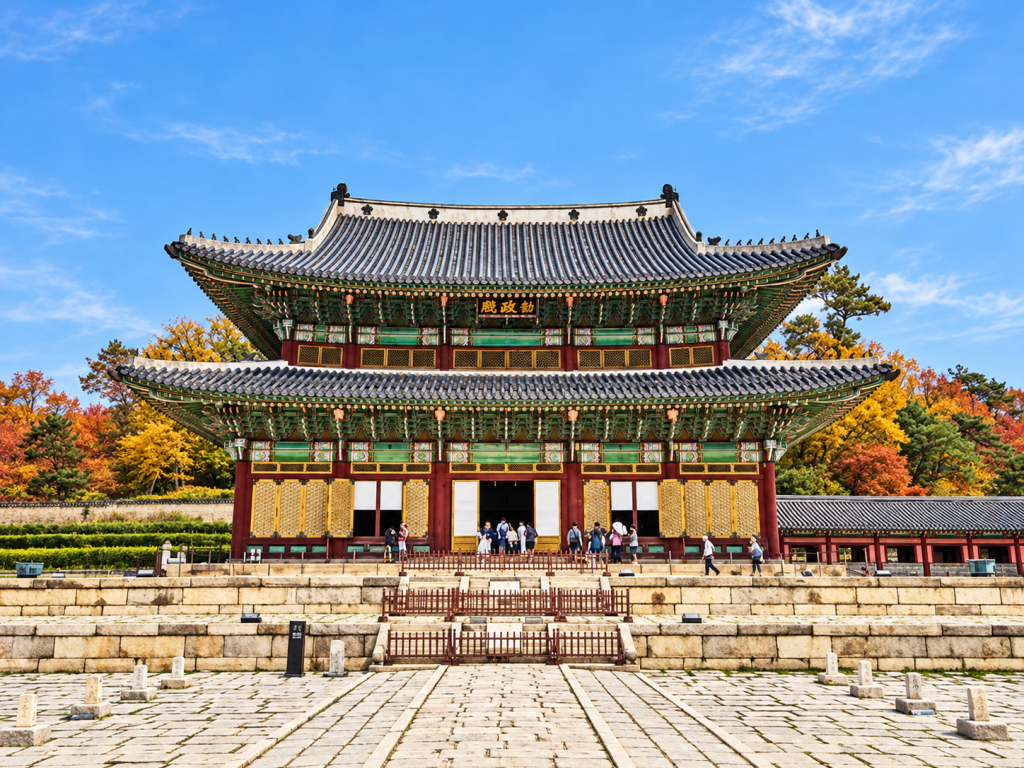
Changdeokgung offers another perspective on royal life: ceremonial halls, residential buildings, and a garden landscape within a UNESCO-listed palace complex. Look for Injeongjeon, the throne hall, then notice how the experience changes as you move toward less formal spaces. [3]
The Secret Garden requires a separate admission arrangement; an ordinary palace ticket does not cover it. Check availability through the official reservation page before planning around a garden visit. The regular closure is Monday, subject to holiday exceptions. Allow extra time beyond your palace visit for the garden. [3][9]
3. Bukchon Hanok Village: Visit a Living Neighborhood
Bukchon Hanok Village on Google Maps
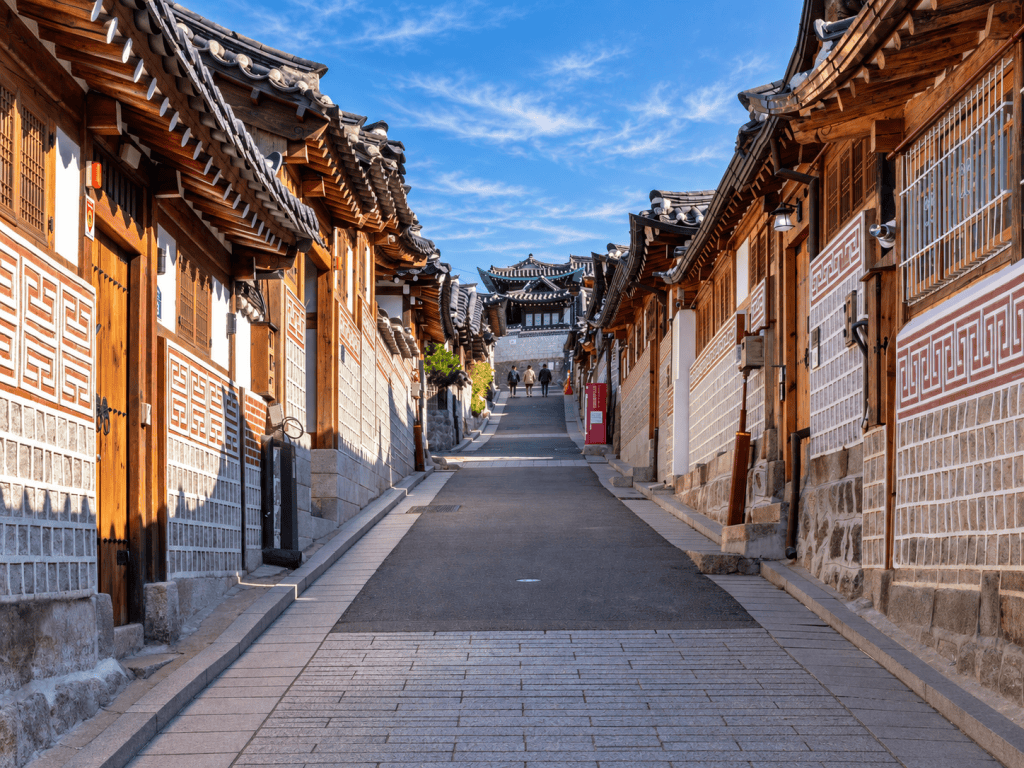
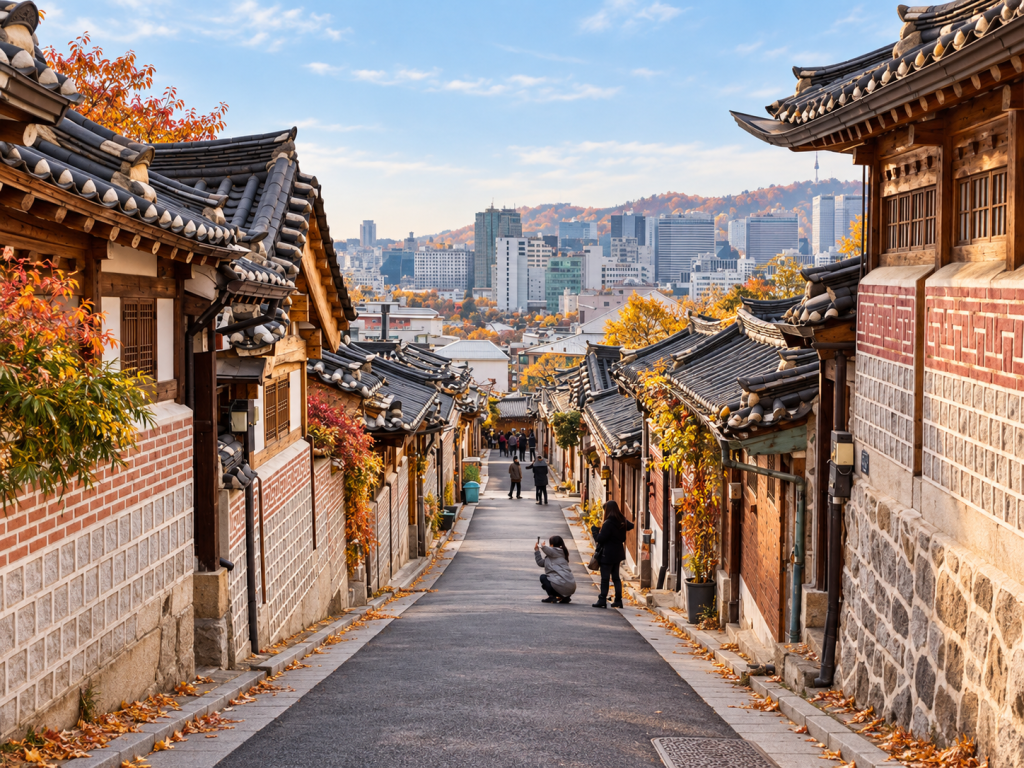
Between the palaces, Bukchon’s lanes reveal tiled roofs, timber details, and the intimate scale of hanok, traditional Korean houses. Unlike a purpose-built heritage attraction, this is a neighborhood where people live. Enjoy the architecture from public lanes without photographing through open doors or treating residents’ entrances as photo sets. [4]
Plan your walk during the day. In the designated Red Zone around Bukchon-ro 11-gil, tourist visits are permitted from 10 a.m. to 5 p.m.; restrictions apply outside those hours. This rule covers the marked zone, not all of Jongno. Follow the official boundary guidance and local signs, and keep conversations quiet. [5]
4. Insadong: Art, Crafts, and a Tea Break
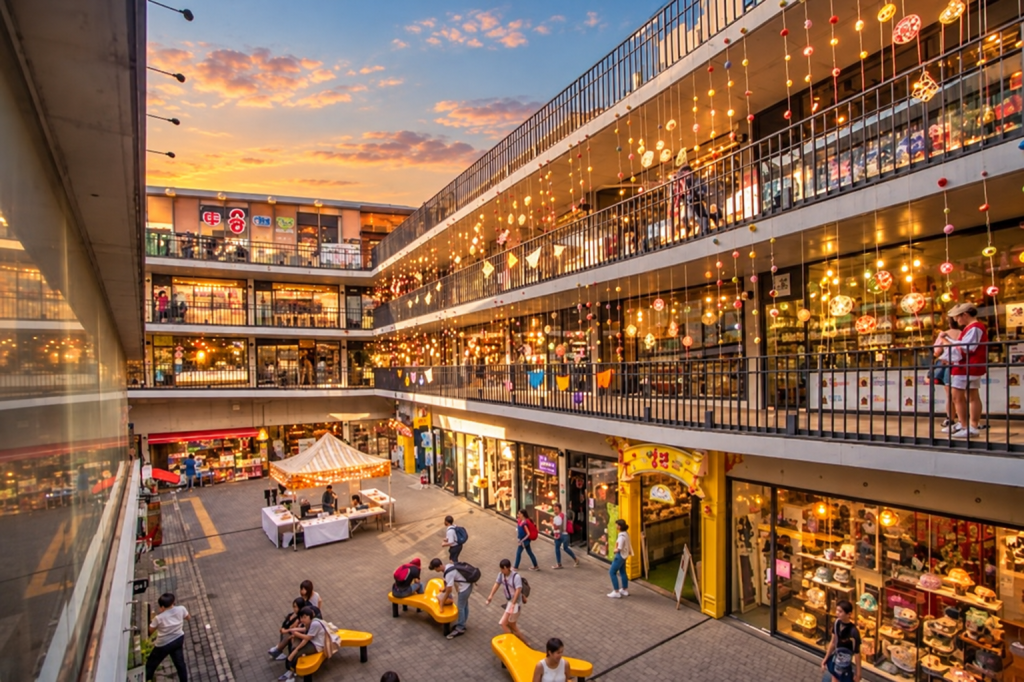
Insadong is a useful stop for galleries, craft shops, calligraphy supplies, and tea houses. Browsing becomes more rewarding when you look beyond generic souvenirs: compare ceramics, paper goods, and small artworks, and ask about the maker or materials when something interests you. [6]
Leave the main street occasionally for the smaller lanes. Allow around an hour for browsing, or longer with tea and a gallery visit. Individual businesses set their own hours, and workshop participation may require separate arrangements; check before making a special trip.
5. Jogyesa Temple: An Active Buddhist Space
Near Insadong, Jogyesa offers an introduction to Korean Buddhism within the city center. Pause around Daeungjeon, the main hall, to appreciate its painted wooden details and the trees in the courtyard. The temple is connected with the Jogye Order and remains a place of worship. [6][7]
A short visit of about 20–30 minutes works well between shopping and lunch. Give worshippers space, follow hall-entry and photography notices, and check before joining any program. Lantern displays vary with the season and events; the festival photograph below does not represent a year-round arrangement.
6. Ikseon-dong: Hanok Cafés and Dinner
Ikseon-dong Hanok Village on Google Maps
Ikseon-dong’s narrow alleys bring hanok buildings together with contemporary cafés, restaurants, and shops. Its appeal is the reuse of an older streetscape for present-day leisure. Compared with Bukchon’s residential lanes, this is a better fit for a café stop or an evening meal. [8]
Choose one place that suits your appetite and budget rather than spending the visit chasing several queues. Check menus and opening hours individually, and avoid blocking the narrow paths while taking pictures. Jongno 3-ga is the nearest subway hub for heading home afterward.
7. Jongmyo Shrine: Understand Royal Ancestral Ritual
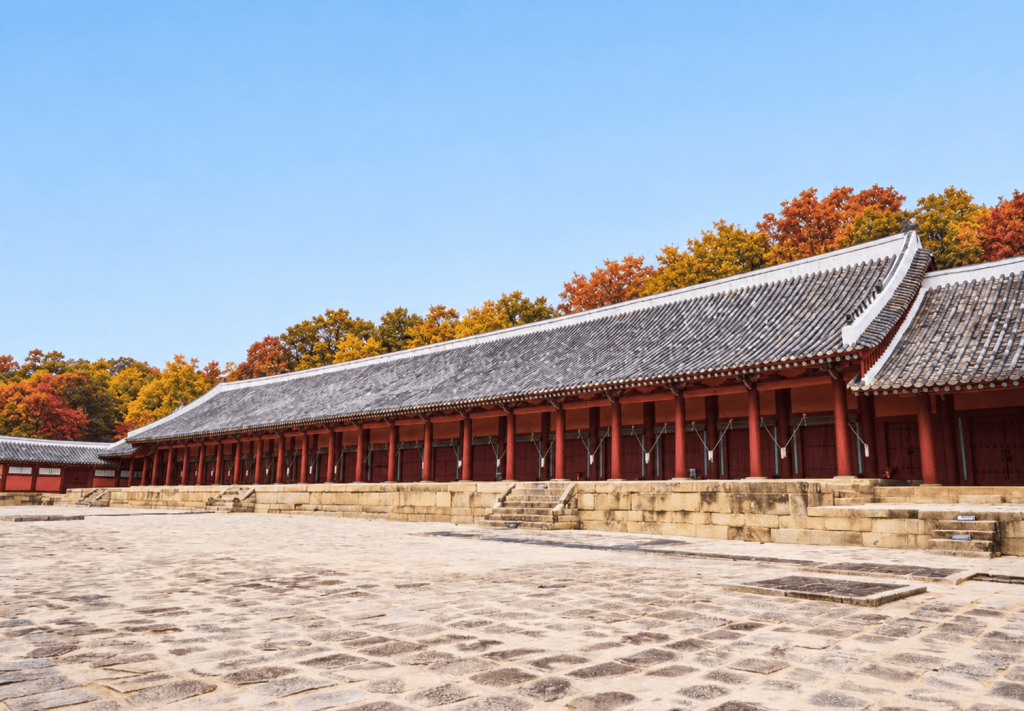
Jongmyo is a Confucian royal ancestral shrine, not another royal residence. Its long halls and open ritual spaces housed ceremonies honoring Joseon kings and queens. UNESCO recognizes the significance of the site, while its continuing ritual tradition helps explain why the architecture feels restrained and solemn. [10]
Plan this stop around admission arrangements: Visit Seoul lists timed guided entry on most weekdays and independent visits on designated days, with Tuesday the regular closure. Check the operator’s current guidance before arriving. [11]
A Practical Jongno Itinerary
Choose one of these routes rather than combining every stop. Time allowances are planning estimates, including breaks and movement between sights.
| Route | Suggested order | Allow |
|---|---|---|
| First-visit highlights | Gyeongbokgung → lunch → Bukchon within permitted hours → Insadong and Jogyesa | 6–8 hours |
| Eastern heritage route | Changdeokgung → lunch → Jongmyo at a confirmed entry time → Ikseon-dong | A full day; allow more for the Secret Garden |
Check closure days first and reserve any garden visit. Leave time for rooflines, a tea break, and the changing character of each street.
Frequently Asked Questions
What is Jongno famous for?
Jongno is known for royal palaces, Bukchon’s hanok streets, Insadong’s arts and crafts, and religious heritage sites such as Jogyesa and Jongmyo.
Which subway station is best for Jongno?
Use Gyeongbokgung for the western palace area, Anguk for Bukchon, and Jongno 3-ga for Ikseon-dong or Jongmyo. There is no single station that serves every attraction equally well.
Can I visit Bukchon at sunrise or after dark?
Do not plan tourist visits to the designated Red Zone outside 10 a.m.–5 p.m. Follow the official zone map and signs; older photographs and itineraries may predate the restrictions. [5]
Should I visit Gyeongbokgung or Changdeokgung?
Choose Gyeongbokgung for an introduction to the main royal palace and its ceremonial spaces. Choose Changdeokgung if the palace-and-garden combination interests you, checking Secret Garden access separately.
Is one day enough for Jongno?
One day works for a selected route. Two days are more comfortable for both palaces, a garden visit, Jongmyo, and time in the surrounding neighborhoods.
More to Discover
- Myeongdong guide for the first-time visitors
Seoul Myeongdong Guide: Things to Do, Street Food & Shopping - Itaewon guide for the first-time visitors
Itaewon & Yongsan Guide: Best Things to Do in Seoul
Sources and Visitor Information
Information reviewed October 14, 2026. Opening arrangements can change; the time allowances and suggested routes are editorial recommendations.
- Visit Seoul — Gyeongbokgung Palace, updated October 7, 2026: history, subway approaches, seasonal hours, and closure exceptions.
- Korea Tourism Organization — Gyeongbokgung Palace: palace buildings and historical background.
- Korea Tourism Organization — Changdeokgung Palace: palace complex, garden, admission categories, and regular closure.
- Visit Seoul — Bukchon Hanok Village, updated September 11, 2026: residential character and visitor etiquette.
- Seoul Metropolitan Government — Bukchon Special Management Area: restricted zone and visiting hours.
- Visit Seoul — Insadong Walking Course, updated June 25, 2025: galleries, crafts, tea houses, and Jogyesa architecture.
- Visit Seoul — Jogyesa Temple, updated September 16, 2026: temple setting, address, and subway approach.
- Visit Seoul — Ikseon-dong Hanok Village, updated October 8, 2026: cafés, restaurants, shops, and nearest station.
- Royal Palaces and Tombs Center — Changdeokgung Reservations: separate garden and palace arrangements.
- UNESCO — Jongmyo Shrine: royal ancestral ritual and heritage significance.
- Visit Seoul — Jongmyo Shrine, updated September 12, 2026: admission pattern and subway approach. Its older restoration note is not treated as a current closure notice.


Leave a Reply