Itaewon & Yongsan Guide: Best Things to Do in Seoul
Itaewon and Yongsan bring together international restaurants, Korean art, major museums, and quieter green spaces. For a first visit, pair one museum with a neighborhood walk and dinner in Itaewon. This guide to the best things to do in Itaewon and Yongsan explains where to go, which subway stations to use, and how to build a realistic day around your interests.
What Are Itaewon and Yongsan Like?
Itaewon is a neighborhood within Yongsan-gu, the wider district south of central Seoul and north of the Han River. Its international food scene reflects communities that have lived, worked, and opened businesses here. The area’s ties to the nearby U.S. military presence form one chapter of that history; its identity also includes residents and entrepreneurs from many other countries. Eating here offers a useful reminder that contemporary Korean urban culture has many influences. [1]
Yongsan is much larger than the streets around Itaewon Station. The museum area near Ichon, the War Memorial near Samgakji, and the art-and-café streets toward Hannam-dong work best as separate stops connected by public transit. Choose the part that interests you most before deciding where to start.
How to Get to Itaewon and Yongsan
| Station | Subway lines | Best starting point |
|---|---|---|
| Itaewon | Line 6 | Restaurant streets and an evening neighborhood walk |
| Hangangjin | Line 6 | Leeum Museum of Art and nearby Hannam-dong streets |
| Samgakji | Lines 4 and 6 | War Memorial of Korea; useful transfer between museum and dining areas |
| Ichon | Line 4 and Gyeongui–Jungang | National Museum of Korea and Yongsan Family Park |
From Myeongdong, Line 4 takes you directly to Ichon. For Itaewon, change from Line 4 to Line 6 at Samgakji. From Seoul Station, the same Line 4 connection works. These are straightforward starting routes; check your departure station and final train when planning an evening out.
For the National Museum, follow Ichon Station’s museum signs or the Exit 2 approach. The museum also lists elevators toward Exits 1 and 2. For Leeum, start at Hangangjin Exit 1 and allow time for the uphill approach. The Google Maps links below help you save each destination. [2][3]
1. Itaewon Streets: International Food and an Evening Walk
Open Itaewon Station on Google Maps
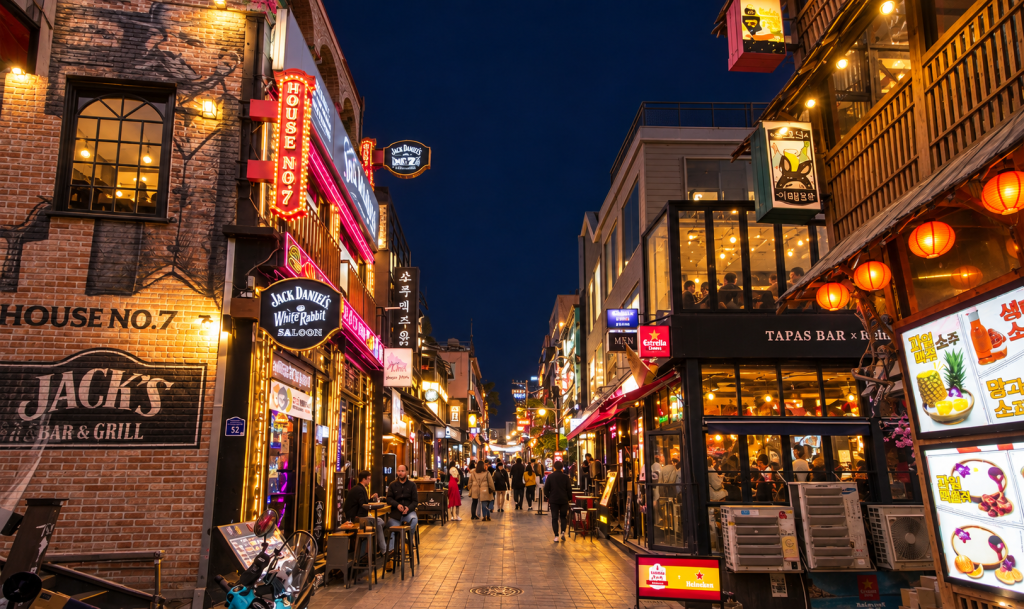
Start around Itaewon Station and explore the restaurant lanes branching from Itaewon-ro. The appeal is the range: Korean meals sit alongside cuisines connected to the neighborhood’s international communities. Rather than arriving with a long checklist, choose a meal you are curious about and leave time to read menus along the way. The broader tourist zone also includes clothing shops and an antique-shopping tradition. [1]
Late afternoon works well for browsing before dinner. This is a neighborhood visit rather than a single ticketed attraction, so allow roughly 90 minutes to two hours including a meal. If you need halal food, vegetarian options, or allergy accommodations, confirm ingredients and preparation with the restaurant itself. A neighborhood’s international reputation does not establish an individual kitchen’s practices.
2. Leeum Museum of Art and the Hannam-dong Area
Open Leeum Museum of Art on Google Maps
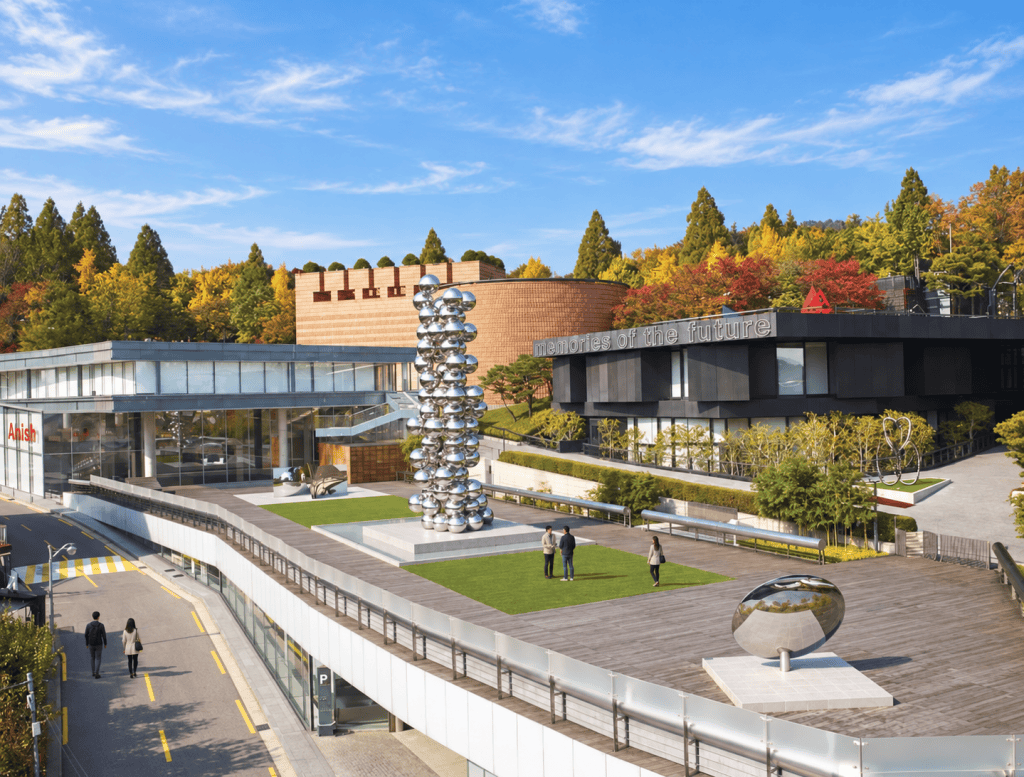
Leeum is a strong choice for travelers interested in both Korean art and architecture. Its collection spans traditional objects such as ceramics and Buddhist art alongside modern and contemporary work. The museum complex, designed by Mario Botta, Jean Nouvel, and Rem Koolhaas, makes the buildings themselves part of the experience. Take time to notice changes in light and materials between galleries. [3]
Plan about two hours, then explore the nearby streets toward Hangangjin for a café break. Leeum generally opens Tuesday through Sunday, 10 a.m.–6 p.m., and closes on Mondays and selected holidays. Reserve through its official website; do not assume a walk-in space will be available. M1’s Korean traditional-art exhibition is listed as free, while other exhibitions may require paid tickets. Check the program and ticket category for your date. [3][4]
3. National Museum of Korea: A Starting Point for Korean History
Open the National Museum of Korea on Google Maps
If you want context for the palaces, pottery, and historical imagery encountered elsewhere in Seoul, begin here. The collections range from prehistoric tools to royal objects, ceramics, and paintings. Looking closely at a few objects can be more rewarding than trying to cover every gallery: compare materials, decoration, and intended uses, then read how those choices relate to their period. [5]
Set aside two to three hours for a focused first visit. General admission is free; check separately for special exhibitions and reserved programs. Opening times and closure dates need attention: the tourism listing includes quarterly Monday closures as well as major holidays. Confirm the museum’s calendar before traveling, especially if this is your main reason for visiting Yongsan. [5]
4. Yongsan Family Park: A Quiet Break After the Museum
Open Yongsan Family Park on Google Maps
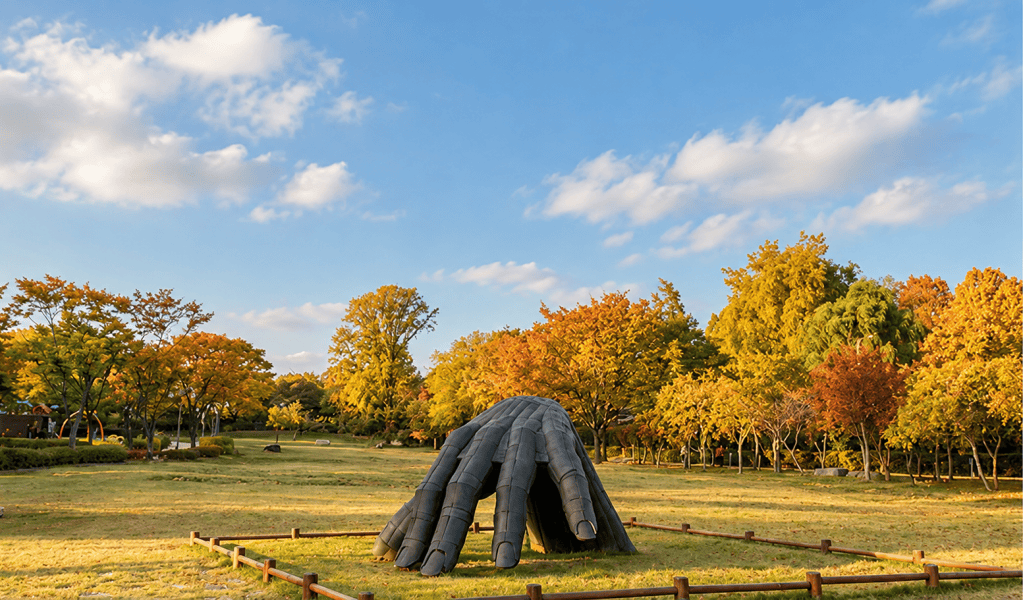
Beside the museum area, Yongsan Family Park offers lawns, a pond, and walking paths. Land once used as a U.S. military golf course became a public green space, adding another layer to the district’s history. It is a good place to pause after concentrating on indoor exhibits. Entry is free. [6]
Allow 30–60 minutes for a gentle walk, with more time if you want a relaxed break. Spring foliage and autumn colors can make the landscape especially appealing, although conditions vary with the weather. Save the exact park pin: Yongsan Family Park and the separately managed sites associated with the wider Yongsan Park project should not be treated as interchangeable destinations.
5. War Memorial of Korea: Understanding Modern Korean History
Open the War Memorial of Korea on Google Maps
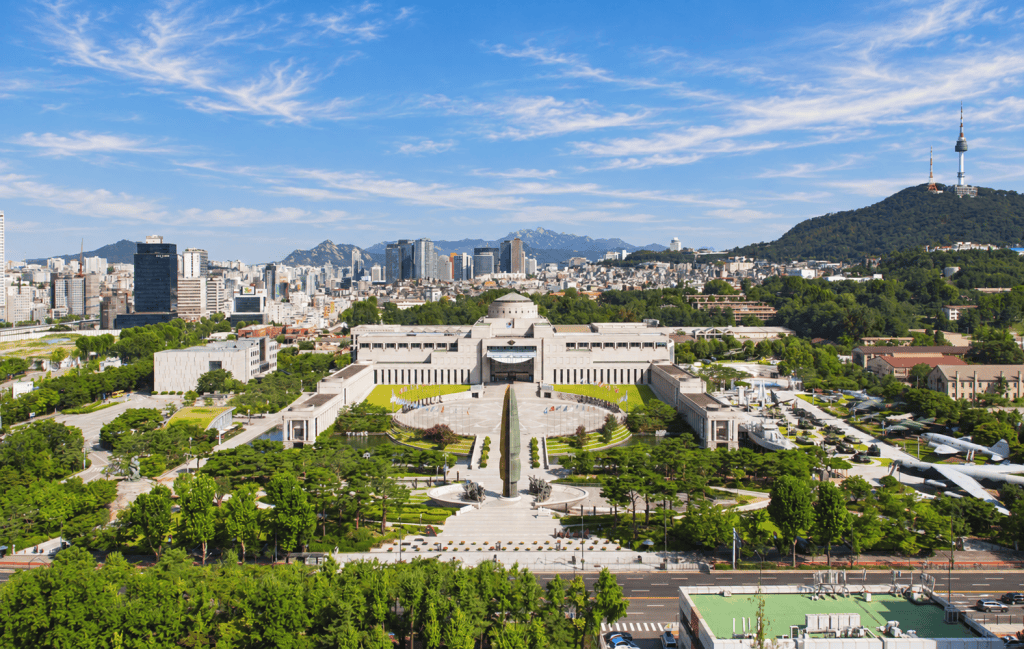
Near Samgakji, this museum and memorial provides context for the Korean War and the people affected by conflict. Indoor galleries present historical materials, while the outdoor exhibition includes large military equipment. Give the interpretive displays and commemorative spaces as much attention as the aircraft and vehicles: the visit is most meaningful when it connects objects to human experiences. [7]
Allow two hours or longer if modern history is a priority. General admission is free, with possible charges for special exhibitions. The Korea Tourism Organization lists 9:30 a.m.–6 p.m., last admission at 5 p.m., and Monday closures, with holiday adjustments. Check current notices before visiting because individual galleries may have separate access arrangements. [7]
A Practical One-Day Itaewon and Yongsan Itinerary
Start with the National Museum, take a short walk through Yongsan Family Park, and have lunch before returning to Ichon. Ride Line 4 to Samgakji and change to Line 6 for Hangangjin. If you have reserved Leeum and still want another museum, make that your afternoon stop; otherwise, spend the afternoon exploring the nearby streets. Finish with dinner around Itaewon.
For a less museum-heavy day, choose either the National Museum or Leeum. If the Korean War is your main interest, substitute the War Memorial for the morning museum. The suggested visit lengths are planning estimates, not official tour durations. Leave room for transfers, hills, and an unhurried meal.
Frequently Asked Questions
Is Itaewon worth visiting if I do not enjoy nightlife?
Yes. International dining, neighborhood browsing, and nearby Leeum make a daytime or early-evening visit worthwhile. You can enjoy the area without going to bars or clubs.
Are Itaewon and Yongsan the same place?
Itaewon is part of Yongsan district. “Yongsan” may also mean the area around Yongsan Station, so use a specific landmark when arranging a meeting or choosing accommodation.
Can I visit every attraction in one day?
You could pass through several areas, but three substantial museum visits would leave little time for food or walking. Choose one main museum, add a park or neighborhood, and save another museum for a different day.
Is this a good area for a rainy day?
The museums provide indoor options. Book Leeum ahead where needed, check closure dates, and expect some outdoor walking between stations and entrances.
More to Read
- 6 Neighborhoods in Seoul :
Seoul Neighborhood Guide: 6 Areas for First-Time Visitors - Myeongdong :
Seoul Myeongdong Guide: Things to Do, Street Food & Shopping
Sources and Visitor Updates
Researched October 15, 2026. Check official calendars, exhibition access, and reservations before your visit.
- Korea Tourism Organization: Itaewon Special Tourist Zone
- National Museum of Korea: Subway directions
- Visit Seoul: Leeum Museum of Art
- Leeum Museum of Art: Official exhibitions and reservations
- Visit Seoul: National Museum of Korea · Museum official website
- Korea Tourism Organization: Yongsan Family Park
- Korea Tourism Organization: War Memorial of Korea · Official website


Leave a Reply