For a design-focused escape from Seoul, two museums offer different ways to experience light: Tadao Ando’s Museum SAN in Wonju and Álvaro Siza’s Mimesis Art Museum in Paju. One unfolds across a mountain site through gardens and water; the other rewards close attention to curved walls and changing daylight.
These are alternative architecture day trips from Seoul, not a practical two-museum loop. Wonju lies east of the capital, while Paju is northwest. Choose one for a relaxed visit, or reserve separate days to compare them properly.
Museum SAN or Mimesis: Which Should You Choose?
| Your priority | Better starting point | Suggested time commitment |
|---|---|---|
| Landscape, gardens and Ando’s architecture | Museum SAN | A full day from Seoul |
| Siza, curved galleries and a focused museum visit | Mimesis | A generous half-day or longer |
| Minimal outdoor exposure | Mimesis | Check the forecast and transport |
| Several booked art experiences | Museum SAN | Allow extra time on site |
These are editorial planning recommendations. Hotel location, traffic, connections and your exhibition choices will determine the actual schedule.
Museum SAN, Wonju: Tadao Ando’s Landscape Sequence
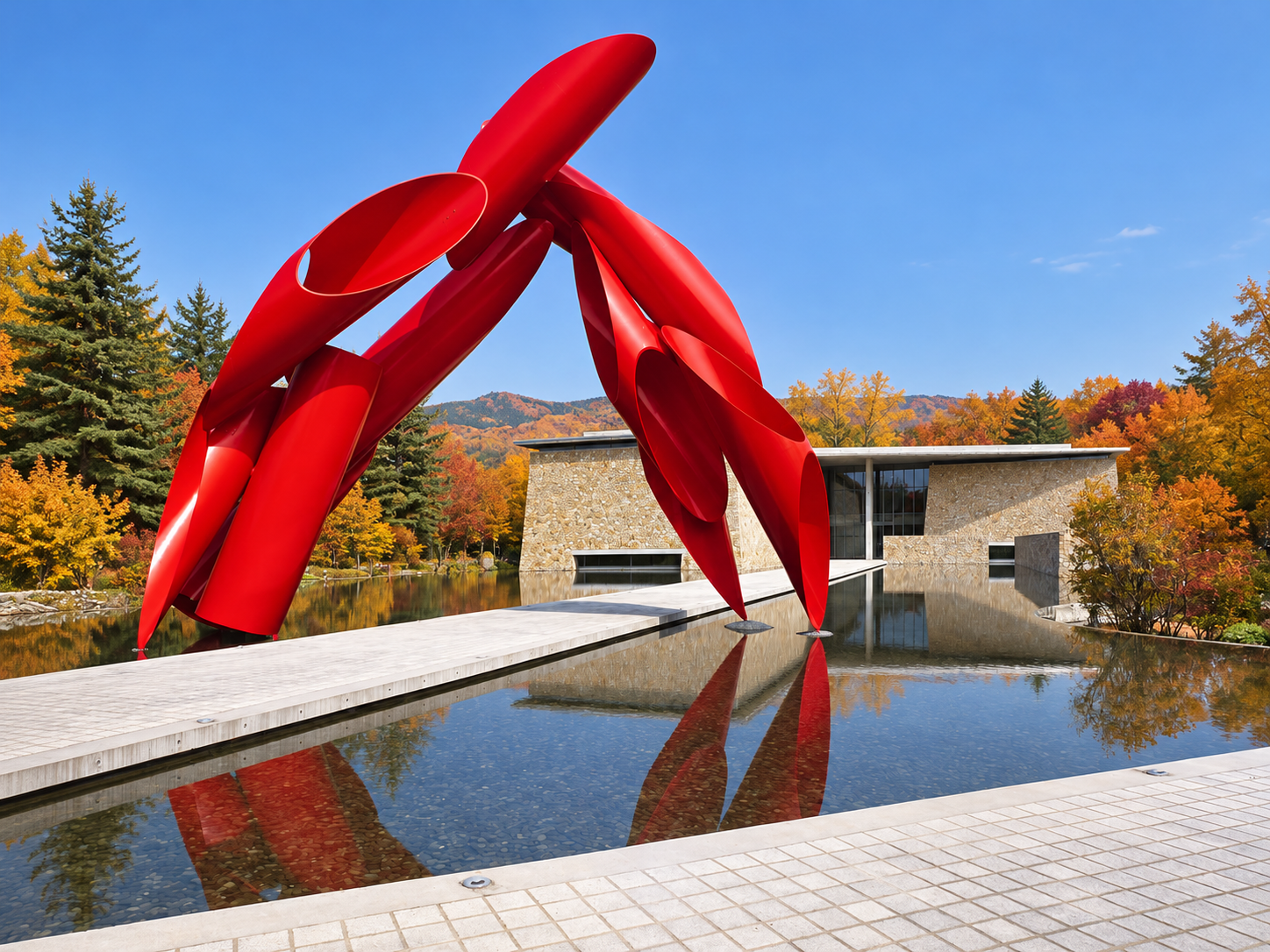
Museum SAN’s official architectural account describes a route extending along mountain terrain through a welcome center, gardens and museum spaces. The Flower Garden leads toward birches; the Water Garden brings reflections into the approach. [1]
The architecture combines exposed concrete with Paju stone, rather than presenting an entirely bare-concrete exterior. The museum describes an inner concrete structure within a stone-finished outer enclosure, with daylight entering at carefully designed junctions. [1]
This gives you a useful observation task: compare three kinds of edge. A stone surface produces small, irregular shadows. A concrete plane offers a more continuous field. A waterline can blur the apparent boundary between a building and its reflection.
None of these experiences needs perfect sunshine. In overcast weather, small differences in texture may become easier to compare. Bright conditions can make the relationship between an opening and the light it admits more obvious. The visit is about noticing what the day provides.
How to Read the Walk
Resist rushing directly to the familiar photograph of the building beside water. Instead, notice when the path reveals a view and when a wall interrupts it. Ask where you slow down, turn or look upward.
This is architectural sequence in practical terms: a series of spatial conditions experienced over time. A photograph records one position; walking connects those positions and lets you understand what lies between them.
The museum also includes the Stone Garden and a meditation space designed with Ando. Check your ticket’s coverage and any timed entry requirements before setting your pace. James Turrell’s installations are artworks by Turrell, a distinct contribution from Ando’s architecture. [1][3]

Getting to Museum SAN from Seoul
The address is 260 Oakvalley 2-gil, Jijeong-myeon, Wonju. There is no Seoul subway station at the museum. Its official directions list rail travel to Manjong Station, followed by a taxi or a suitable local connection. [2]
For independent travel, confirm the train and the final transfer before booking. Arrange the return leg with equal care; reaching a rural museum is only half the transport problem. If using a city-tour service, verify its current operating days, stops and booking conditions rather than assuming it runs frequently.
Plan a full day: travel in the morning, spend several unhurried hours on site, and leave a buffer before your return train. Wear shoes suitable for outdoor paths, and keep the weather in mind when choosing an umbrella or extra layer.
Mimesis Art Museum, Paju: Álvaro Siza and Quiet Daylight
Google Maps: Mimesis Art Museum
Located in Paju Book City, Mimesis was commissioned by publisher Open Books. The museum credits Álvaro Siza, working with Carlos Castanheira and Korean architect Kim Junsung. Its architecture brings sweeping concrete curves together with white exhibition spaces that prioritize natural light. [4]
Look first at how a curved wall changes what you can see ahead. A straight corridor often gives away its destination; a curve can reveal the next space gradually. That makes a small movement meaningful.
Inside, study the wall as a surface receiving light. Where is it brightest? Does the brightness fade gradually or meet a distinct edge? Repeat the observation after moving across the room. You may notice that the curve becomes legible through subtle tonal changes.
This is an invitation to observe, not a promise of the same effect in every gallery. Weather, exhibition layouts and lighting controls influence what you see. The museum emphasizes reduced reliance on artificial lighting; it does not claim that electric lighting is entirely absent. [4]

Getting to Mimesis from Seoul
The address is 253 Munbal-ro, Paju. The museum’s official directions list Bus 2200 from Hapjeong Station, followed by a short walk from Lotte Premium Outlet or Ichae Shopping Mall. Check the live route and departure stop before traveling. [5]
Its current visitor page lists 10 a.m.–7 p.m. daily, with no regular closing day, while allowing for separately announced temporary closures. Adult admission is listed at ₩11,000. These details were checked on October 21, 2026; older travel pages may show different hours or prices. [5]
A generous half-day can suit a focused visit, especially with straightforward transport. Allow longer if you want time in the café, book and art shop, or surrounding publishing district. Keep the museum as the main appointment rather than filling every available hour.
Before Booking Either Trip
For Museum SAN, check the official visitor guide for current ticket combinations, opening notices and timed experiences. For Mimesis, consult its visitor information and temporary closure notices.
Photography policies can differ between outdoor areas, galleries and individual installations. Ask before taking interior photographs. If your interest is architectural study, a few written notes about movement, material and light can be more useful than trying to photograph everything.
Frequently Asked Questions
Can I visit Museum SAN and Mimesis on the same day?
Treat them as separate trips. Their different directions from Seoul would turn the day into a transport-heavy schedule with little time for careful looking.
Which is better for an Ando enthusiast?
Museum SAN is the relevant choice. Allow enough time to experience its outdoor approach as well as the museum interiors.
Which fits a shorter excursion?
Mimesis is the more manageable starting point for a focused half-day plan. Check your actual journey from your accommodation before committing.
Do I need an architecture background?
No. Start with three questions: where does the light come from, what makes you change direction, and how does the material look at different distances?
More to Read
- Hanok Cafés and Stays in Bukchon & Seochon :
Hanok Cafés and Stays in Bukchon & Seochon: A Seoul Guide - Built on Hills, Haebangchon & Itaewon :
Built on Hills: Haebangchon & Itaewon Rooftop Views Explained
Sources and Visit Check
Museum SAN’s older official English pages support the architectural and transport background; its current visitor portal should govern live ticketing. Suggested durations are editorial estimates.
Leave a Reply